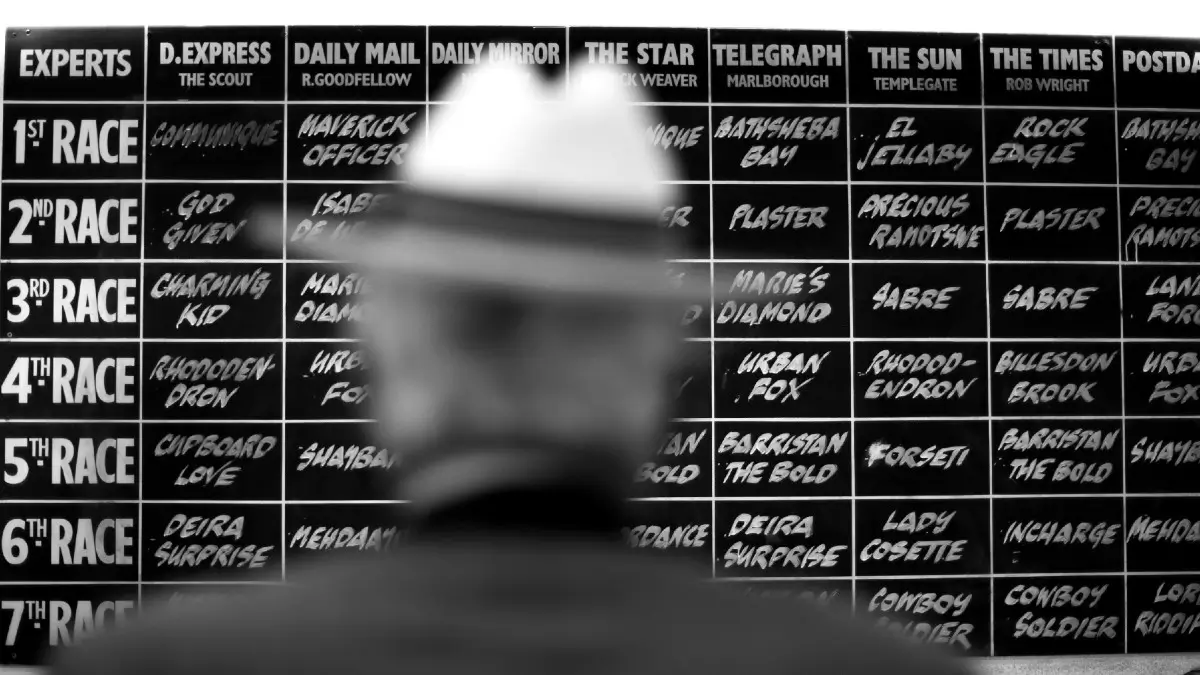
What Causes Horses to Shorten in Price?
Market movers, horses whose odds contract significantly before racing can result from various factors. Genuine stable confidence represents the most valuable cause, but other influences include media tipsters, public following of fashionable trainers or jockeys, or simply bandwagon effects where price contractions encourage further betting. Distinguishing between these causes determines whether a market move merits following.
Early Market Moves vs. Late Support
The timing of market movements provides crucial intelligence. Early moves occurring when betting markets first open, often days before racing, typically indicate informed money. Professional punters and stable connections bet early to secure best available prices. These moves often originate from those with genuine inside knowledge.
Conversely, late money, heavy betting in the final minutes before racing can indicate various things. Sometimes it represents delayed stable confidence, with connections waiting until the last moment to avoid shortening prices prematurely. Other times it reflects betting shop punters following media tips or making impulsive decisions. Understanding these patterns helps interpret whether late market movements merit attention.
Steam Moves and Coordinated Betting
“Steamers” describes rapid, dramatic price contractions resulting from coordinated heavy betting. These moves often indicate serious gambling operations, with multiple parties placing substantial bets simultaneously across different betting platforms. Steam moves can overwhelm bookmakers’ risk management systems, causing dramatic price adjustments.
On betting exchanges, steam appears as sudden large sums being matched at specific prices, often exhausting available liquidity and forcing prices to contract sharply. These movements typically indicate genuine confidence rather than casual betting, making them particularly significant for those seeking reliable stable whispers.
The Drift: When Horses Lengthen in Price
Not all market movements involve shortening prices. When horses drift, lengthen in odds, it can indicate negative stable intelligence. Perhaps the horse isn’t travelling well to the course, conditions aren’t ideal, or connections have received disappointing news about fitness or wellbeing. Significant drifts, particularly for previously well-supported horses, warrant attention as potential indicators of problems.
However, some drifts result simply from betting imbalances, with bookmakers adjusting odds to encourage betting on horses receiving little support. Distinguishing between these scenarios requires understanding individual bookmaker practices and monitoring multiple betting platforms simultaneously.
Betting Strategies Around Stable Information
How to Use Stable Whispers Wisely
Receiving genuine stable information is only half the battle; using it effectively determines profitability. The cardinal rule is recognizing that no horse is certain to win, regardless of how confident connections appear. Even the strongest stable whispers can be undone by bad luck in running, unsuitable ground, or simply being beaten by a better horse.
Successful punters treat stable information as probability enhancers rather than certainties. A strong stable whisper might shift a horse’s winning chance from 20% to 40%, making it excellent value at 3-1 but still twice as likely to lose as win. Understanding probability and value is essential for long-term profitability from stable intelligence.
Early Betting vs. Waiting for SP
When should you bet on a fancied runner? Early betting secures best prices but risks tying up funds if circumstances change. Waiting until closer to racing allows incorporating late information but risks accepting shortened prices. The optimal approach depends on several factors.
For horses with solid stable support that are likely to shorten significantly, early betting makes sense. Securing 6-1 about a horse certain to start at 3-1 provides substantial value edge. Conversely, for horses where market confidence seems less certain, waiting allows incorporating additional intelligence and potentially securing improved prices if the horse drifts.
Each-Way Betting and Place Value
For competitive handicaps and races with large fields, each-way betting provides attractive proposition when backing stable whispers. Each-way bets pay returns if horses finish in the first three or four places (depending on field size), offering insurance against being narrowly beaten. Given that even strongly-fancied horses can finish second or third, each-way betting often provides better value than win-only propositions.
Comparing each-way terms across different bookmakers reveals value opportunities. Some bookmakers offer enhanced place terms (paying to four places instead of three, or paying at better fractions of win odds), significantly improving potential returns. Savvy punters always check place terms before committing to each-way bets.
Dutching and Multiple Stable Whispers
When receiving multiple stable whispers for the same race, not uncommon at major meetings, dutching (betting on multiple horses in proportions ensuring equal profit regardless of which wins) offers a sophisticated approach. This strategy requires careful calculation to ensure the combined odds provide value, but can reduce risk when uncertain which of several fancied runners to back.
Responsible Gambling Considerations
However reliable stable information might seem, responsible gambling principles always apply. Never bet more than you can afford to lose. Establish betting banks separate from essential finances. Accept that losing runs occur even with genuine inside information. Track betting results honestly, recognizing that selective memory can distort perceptions of success.
Professional punters maintain detailed records, calculating return on investment and identifying which types of bets prove profitable. This disciplined approach separates consistent winners from those who rely on hope and intuition. If betting stops being enjoyable or creates financial stress, seek help from organizations like GamCare or BeGambleAware.
Combining Stable Whispers with Form Analysis
Form as Foundation
Stable whispers are most valuable when they complement rather than contradict solid form analysis. A horse with reasonable form credentials receiving strong stable support represents a better proposition than a horse with terrible form being talked up by connections. The best bets combine genuine ability (demonstrated through form) with stable confidence that the horse is ready to produce its best.
Class and Conditions
Understanding class levels helps contextualize stable confidence. A horse might work brilliantly at home and receive strong stable support, but if stepping up significantly in class, form analysis might suggest it still faces a stiff task. Conversely, a class horse dropping in grade represents an ideal gambling opportunity when connections are confident.
Ground conditions, distance, course characteristics, and race pace all influence outcomes. The most reliable stable whispers typically concern horses being placed in optimal conditions where their attributes suit the race. Reading race conditions alongside stable intelligence identifies when everything aligns for a successful gamble.
The Angle of Improvement
Stable whispers often concern horses expected to improve on previous form. Understanding why improvement might occur—recovery from injury, equipment changes, distance alterations, or simply natural progression helps assess whether stable confidence is justified. Horses receiving strong market support despite modest form especially warrant analysis to identify potential improvement angles.

Leave a Reply