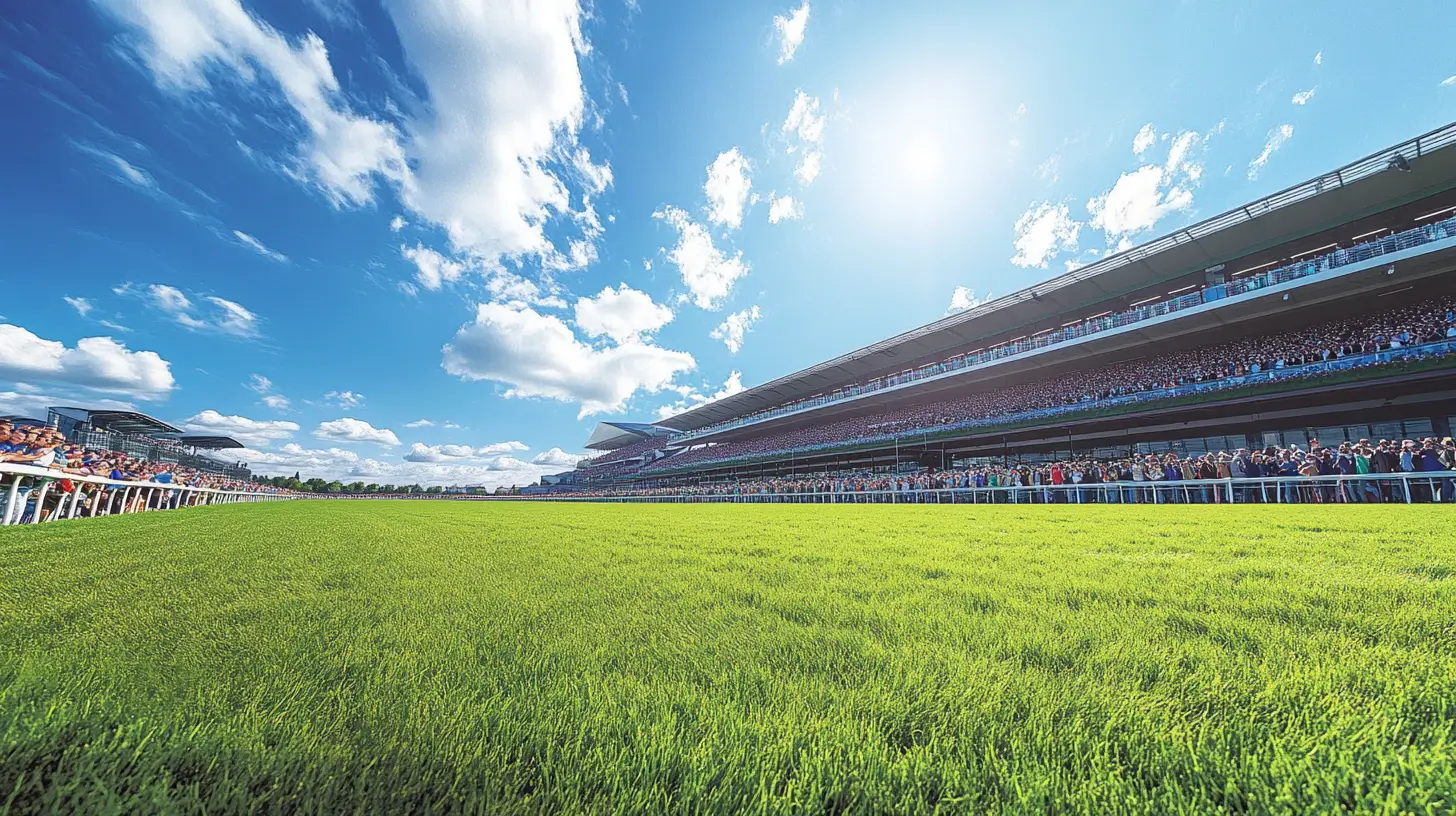
The Biggest Betting Week in Racing
The Cheltenham Festival represents British racing’s pinnacle, four days of championship jump racing that attracts more betting turnover than any other meeting. For trainers, owners, and professional punters, Cheltenham is the ultimate target, the place where well-planned gambles can deliver life-changing returns.
The Festival’s unique character makes it ideal for gambling coups. Horses are often specifically prepared for single races, sometimes receiving light campaigns throughout the season to preserve their handicap marks or maintain peak fitness for Cheltenham. This concentrated preparation, combined with the Festival’s massive betting markets and enhanced prize money, creates perfect conditions for well-executed gambles.
Famous Cheltenham Gambles
The Festival has witnessed countless legendary gambles. Dawn Run’s Champion Hurdle in 1984 saw massive Irish support for Paddy Mullins’ mare, with punters braving terrible weather to back her. She won in heroic style, landing substantial bets and becoming one of jumping’s immortals.
More recently, horses like Sprinter Sacre, Vautour, and Douvan have all been subject to enormous gambles, with their connections backing them heavily before championship victories. These weren’t subtle operations, market support was obvious and sustained. Yet even with shortened prices, these horses delivered, demonstrating that sometimes the best information is the most public.
The Festival’s competitive handicaps provide particular gambling opportunities. Races like the Coral Cup, the County Hurdle, and the Pertemps Final regularly see substantial coups landed by astute trainers who’ve identified well-handicapped horses. Willie Mullins, in particular, has orchestrated numerous successful handicap gambles, often with horses given careful preparation to arrive at the Festival with favourable racing weights.
Reading Festival Market Movements
Cheltenham’s ante-post markets provide fascinating insight into stable confidence. Monitoring which horses see sustained support weeks or months before the Festival reveals where serious money is being invested. Irish-trained horses typically see strongest support from Irish bookmakers and betting exchanges, while British-trained runners might see heavier domestic support.
The key is distinguishing genuine stable confidence from media hype and public sentiment. Horses that gradually contract in price over weeks, with consistent money appearing across multiple betting platforms, typically indicate informed support. Conversely, horses whose prices fluctuate wildly, shortening and drifting repeatedly, might simply be subject to speculative betting rather than genuine inside information.
Royal Ascot: Flat Racing’s Premier Gambling Stage
The Summer Spectacular
If Cheltenham dominates National Hunt gambling, Royal Ascot holds equivalent status for Flat racing. The five-day June meeting combines championship races, valuable handicaps, royal pageantry, and enormous betting turnover. For trainers targeting specific Ascot races, careful campaign planning throughout the early season can position horses perfectly for substantial gambles.
Handicap Opportunities
Royal Ascot’s competitive handicaps, the Royal Hunt Cup, the Wokingham Stakes, the Britannia Stakes attract massive betting interest and regularly see successful gambles landed. These races reward astute trainers who’ve managed their horses’ handicap marks carefully, keeping them competitive while preserving relatively favourable ratings.
Trainers like Sir Michael Stoute, John Gosden, and Aidan O’Brien have all landed significant Ascot gambles over the years. Their operations combine training excellence with tactical sophistication, identifying races where their horses can compete effectively while offering value odds. When market support appears for horses from these powerhouse stables, particularly in handicaps, it merits serious attention.
Group Race Gambles
While handicaps provide traditional gambling opportunities, Royal Ascot’s Group races occasionally witness significant coups. These typically involve horses stepping up dramatically in class, international raiders arriving with strong form, or three-year-olds making faster-than-expected improvement. The Commonwealth Cup, for instance, has seen several gambles landed on speedsters whose connections knew they possessed Group race ability despite modest odds.

Leave a Reply